
28+ reviews
  • 4.3
228+ reviews

Early Tooth Decay: Why It Matters and How to Catch It Before It Costs You

  • April 3, 2026
  • General & preventive dentistry

Cavities: the damage you don't see

When people hear "a cavity", most picture an obvious, aching tooth. But the most damaging decay is the slow, hidden kind between teeth and below the gumline. It eats away enamel, reaches the nerve, breeds infection, and quietly turns a simple filling into a root canal. We encounter them in American homes more often than you might think – and the cost of ignoring them only grows the longer they go unnoticed.

Where hidden cavities usually start

The cause is usually simple: plaque and time.

  • Over the years, untreated decay quietly weakens teeth from the inside out.
  • Over time, everyday foods and drinks stain and dull the surface of your teeth.
  • The most common culprit is plaque left along the gumline.

Decay tends to hide between teeth and below old fillings, while gum disease takes hold along the gumline and around the roots. The worst problems settle deep inside the tooth, out of sight.

Why early decay is hard to catch on your own

Online you will find hundreds of tips and "quick fixes" – from charcoal pastes to DIY whitening kits and filing teeth at home. Most of the time they help only briefly, or not at all. Your enamel doesn't grow back, and treating the surface rarely solves what's underneath. Worse, a botched DIY attempt can damage your gums and turn a minor issue into a major, expensive one.

What a professional dental exam involves

Licensed dentists combine several steps:

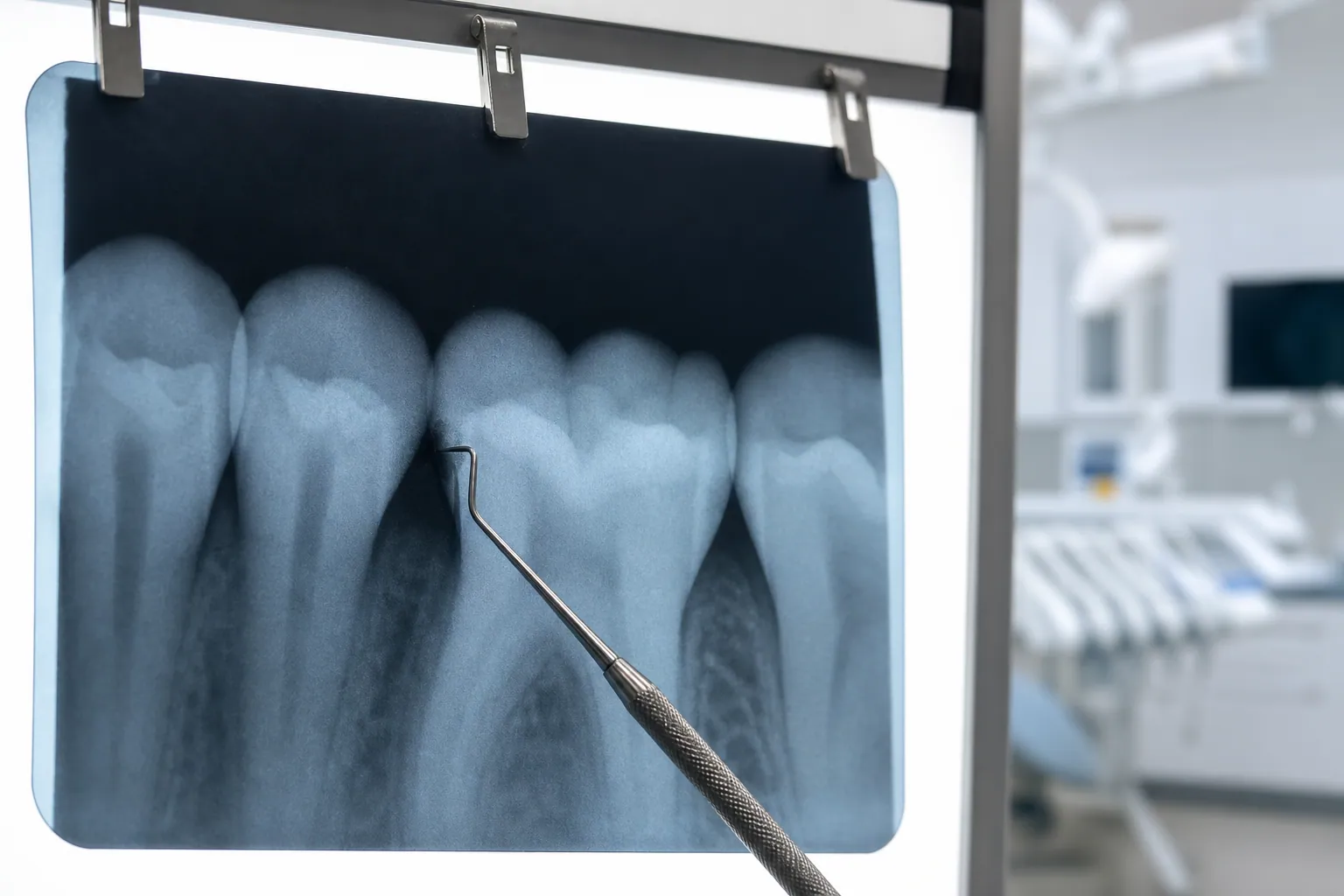
  • digital X-rays and exams – low-dose imaging to find decay early without guesswork,
  • targeted filling, crown or restorative treatment,
  • follow-up checks – verifying the area heals well after the treatment,
  • preventive advice – recommendations on how to protect your smile long-term.

The result is not just a quick patch, but a complete, lasting solution to the problem.

Tips on how to reduce the risk of cavities

  • Brush twice a day and floss once a day, every day.
  • Replace your toothbrush every few months and after illness.
  • Cut back on sugary snacks and drinks between meals.
  • Watch for sensitivity — a sudden twinge often means hidden decay.
  • Regularly check for sensitivity, bleeding gums and bad breath.

When to call the professionals

If you notice tooth sensitivity, bleeding gums, persistent bad breath, a dull ache or a visible dark spot on a tooth, it is time to act. Dental problems spread extremely fast, and a small cavity can become a painful root canal within just a few months.

Latest articles

Dealing with a dental problem?

We'll care for your smile quickly, safely and effectively. Just arrange a free no-obligation consultation – we'll take care of the rest.
Looking for a practice to help you with dental care of all kinds?
All Rights Reserved © Acme Dental .